
Flow meter selection for water, fuel and process liquids
Updated: 4 days ago
At ProSense, a useful flow-meter enquiry starts with the process, not the pipe size alone. Tell us what is flowing, the lowest and highest expected flow, and what the reading will be used for. A meter selected for a transfer line may be a poor choice for a small dosing flow on the same nominal pipe size.
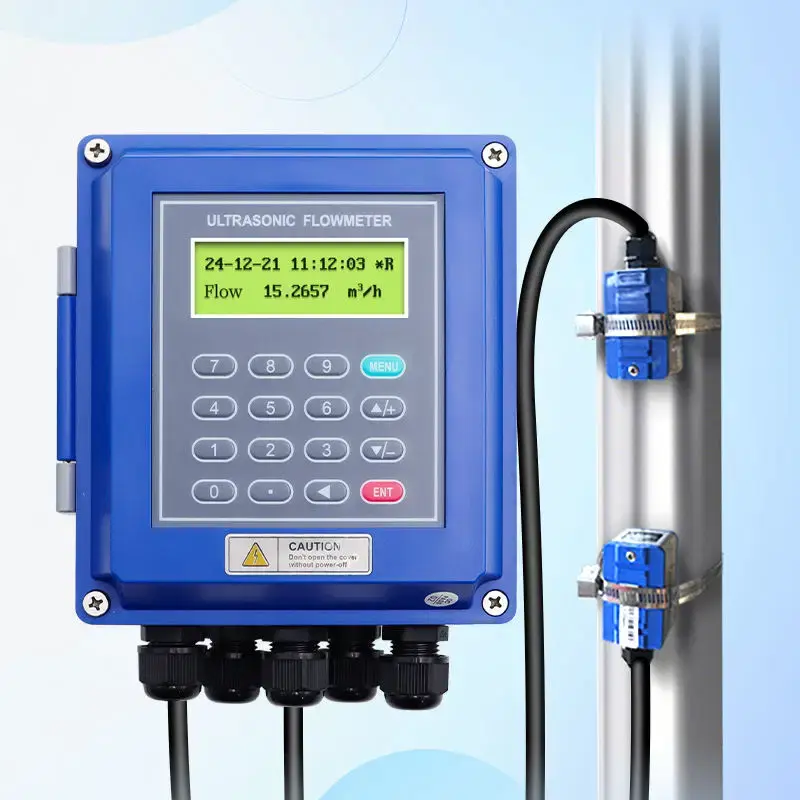
Start with the process
Record the liquid or gas, minimum/normal/maximum flow, pipe internal diameter, operating pressure and temperature. Include solids, conductivity, viscosity and material compatibility where relevant.
Narrow the technology
For conductive liquids in a full pipe, investigate electromagnetic meters. Where cutting the pipe is impractical, consider clamp-on ultrasonic measurement subject to pipe, fluid and installation suitability. For clean, compatible liquids, turbine or positive-displacement meters may be options. Gas measurement needs a technology and calibration matched to the gas and reference conditions.
Complete the system
Choose the required indication, totaliser, pulse, 4–20 mA or RS485 output. Confirm supply voltage, mounting orientation, straight-pipe requirements, fittings, grounding and any external display or gateway.
Send a useful enquiry
Send medium, pipe size, flow range, pressure, temperature, output, quantity and required delivery date. Include a photo or drawing. ProSense can help narrow the range before you order.
Application examples: what to check before choosing a model
Illustrative retrofit example: a facilities manager wants to trend water use on an existing cooling-water pipe without planning a pipe cut-in. A clamp-on ultrasonic meter is a candidate to assess. Send the pipe material, outside diameter, wall thickness, any lining and available mounting length. Those details help establish whether a useful acoustic path is possible; an outside diameter alone is not enough to confirm suitability.
Illustrative wastewater example: a maintenance team needs a local flow reading and a signal back to its control system. Start with the liquid and operating flow range, then review the proposed electromagnetic meter, wetted materials, pipe-full conditions and installation drawing. Ask for the exact output and power configuration on the quotation so the electrical team knows what it is receiving.
For a fuel-transfer enquiry, identify the actual fuel, temperature, viscosity and required flow range. Do not choose an electromagnetic water meter just because its flange fits. Send the fluid information to ProSense before selecting the measurement technology.
Before placing the order, compare the complete scope: meter, sensors or transmitter, mounting parts, cable, power supply and integration work. Keep the selected model and configuration on the purchase order. Open the product pages below for current options and pricing; they are candidates for review, not blanket approvals for every installation.
Products and technical references
Need help with your application?
For instruments and product selection, visit ProSense Instruments, email sales@prosenseinstruments.com.au or call 1800 560 854.
For monitoring and automation projects, visit ProSense Solutions or email sales@prosense.com.au.
For software enquiries, visit ProSight Software or email info@prosightsoftware.com. Confirm integration requirements for the exact instruments and system.
Related selection and project resources
Use the selection page to narrow a suitable product family, then document the application before requesting a quotation. For connected monitoring, define the wider system and data requirements as well.


Comments