
Innovative Water Management: How Australian Councils Use Telemetry to Monitor Storage Tanks Remotely
Water is one of Australia’s most precious resources, and managing it efficiently is critical for communities and the environment. Across the country, councils face the challenge of ensuring reliable water supply while minimizing waste and operational costs. One of the ways they meet this challenge is by using telemetry systems to monitor water storage tanks remotely. This technology allows councils to keep a close eye on reservoir levels and water quality without needing to send staff to every site regularly.
In this post, we’ll explore how telemetry works, look at examples of Australian councils successfully using these systems, and discuss the benefits of remote water tank monitoring. Whether you’re interested in water management, technology, or sustainability, this post will give you a clear picture of how remote monitoring is shaping the future of water services.
What Is Telemetry and How Does It Work for Water Storage Tanks?
Telemetry refers to the automatic measurement and transmission of data from remote locations to a central system. In the context of water storage tanks, telemetry systems collect real-time information such as water levels, temperature, pressure, and sometimes water quality indicators. This data is then sent via wireless networks, cellular connections, or satellite links to a control center where operators can monitor conditions and make decisions.
Key Components of Telemetry Systems
Sensors: Devices installed inside or near water tanks measure parameters like water level using ultrasonic or pressure sensors.
Data Logger: Collects sensor readings and prepares them for transmission.
Communication Module: Sends data to a central server using cellular, radio, or satellite networks.
Central Monitoring Software: Displays data in dashboards, triggers alerts, and stores historical records for analysis.
Telemetry systems often include alarms that notify operators if water levels drop too low or rise too high, or if there is a sudden change that could indicate a leak or contamination.
Examples of Australian Councils Using Telemetry Successfully
Several councils across Australia have adopted telemetry to improve their water management. Here are a few examples:
City of Melbourne
Melbourne’s water utility uses telemetry to monitor its extensive network of reservoirs and water tanks. The system provides real-time data on water levels and quality, enabling quick responses to any issues. This has helped reduce water loss and improved the efficiency of water distribution across the city.
Sunshine Coast Council, Queensland
Sunshine Coast Council implemented telemetry systems to monitor water storage tanks in remote and rural areas. The council reports that remote monitoring has cut down the need for manual inspections by up to 70%, saving time and operational costs. The system also helps in early detection of leaks, preventing water wastage.
City of Perth
Perth’s water management team uses telemetry to track reservoir levels and pump station performance. The data collected helps optimize pumping schedules, reducing energy consumption and ensuring water is available when needed. This approach supports Perth’s efforts to manage water sustainably in a region prone to drought.
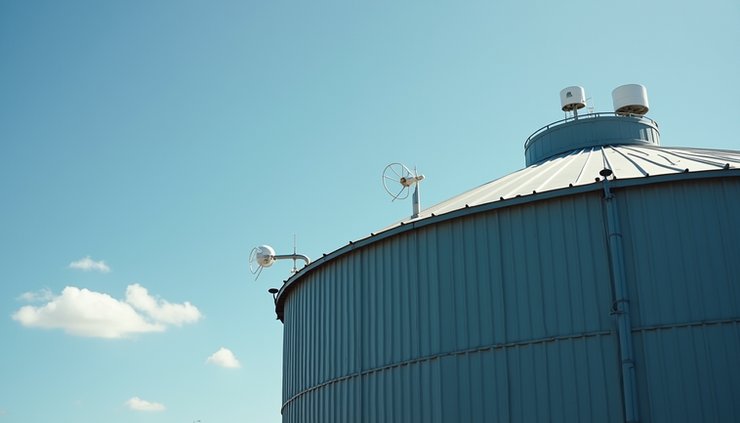
Benefits of Remote Monitoring for Water Storage Tanks
Remote monitoring through telemetry offers several advantages for councils and communities:
Improved Efficiency
Telemetry allows operators to monitor multiple tanks from a single location. This reduces the need for physical site visits, freeing up staff to focus on other tasks. It also enables faster decision-making since data is available in real time.
Cost Savings
By reducing manual inspections and enabling early detection of leaks or faults, councils save on labor and maintenance costs. Optimizing pump operations based on accurate data also lowers energy bills.
Better Water Management
Real-time data helps councils balance supply and demand more effectively. They can respond quickly to changes in water usage or weather conditions, reducing the risk of shortages or overflows. Historical data also supports long-term planning and infrastructure investment.
Environmental Benefits
Reducing water loss and energy use contributes to sustainability goals. Telemetry helps councils manage water resources more responsibly, protecting ecosystems and supporting community resilience.
What the Future Holds for Water Management Technology
As technology advances, telemetry systems are becoming more sophisticated. Integration with smart city platforms, use of artificial intelligence for predictive maintenance, and improved sensor accuracy are just some trends on the horizon.
Councils may soon be able to combine water tank data with weather forecasts, soil moisture sensors, and consumer usage patterns to create highly responsive water networks. This could lead to even greater savings and environmental benefits.


Comments