
5kV, 10kV, 15kV and 20kV Insulation Resistance Testers: Australian Selection Guide
Choose a high-voltage insulation resistance tester for motors, transformers and electrical assets by test voltage, range, reporting and safety needs.
Insulation resistance testing is a common part of preventive maintenance for motors, transformers, cables and other electrical assets. Choosing a high-voltage tester requires understanding the asset and the approved test procedure.
A 20kV instrument is not automatically a better fit than a 5kV or 10kV unit. Test-voltage selection, measurement functions, safety and reporting requirements determine which instrument is suitable.
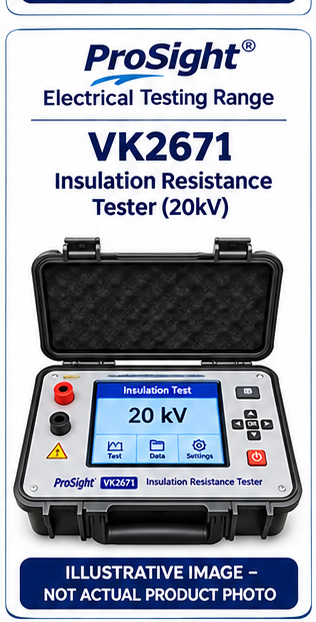
What insulation resistance testing tells you
An insulation resistance tester applies DC test voltage and measures insulation resistance under defined conditions. Results depend on temperature, humidity, surface contamination, test duration and the asset's condition. A single reading should not be interpreted without context.
Match test voltage to the asset
A higher maximum tester voltage does not mean it is appropriate for every circuit. Choose the test voltage from the relevant asset manufacturer's instructions and applicable standards. Sensitive electronics and connected devices may need isolation before testing.
Compare professional tester features
Review selectable test voltages, resistance measurement range, measurement accuracy, timer functions, dielectric absorption and polarisation index functions where offered, data storage and discharge indication. Verify each capability on the exact product listing or manual.
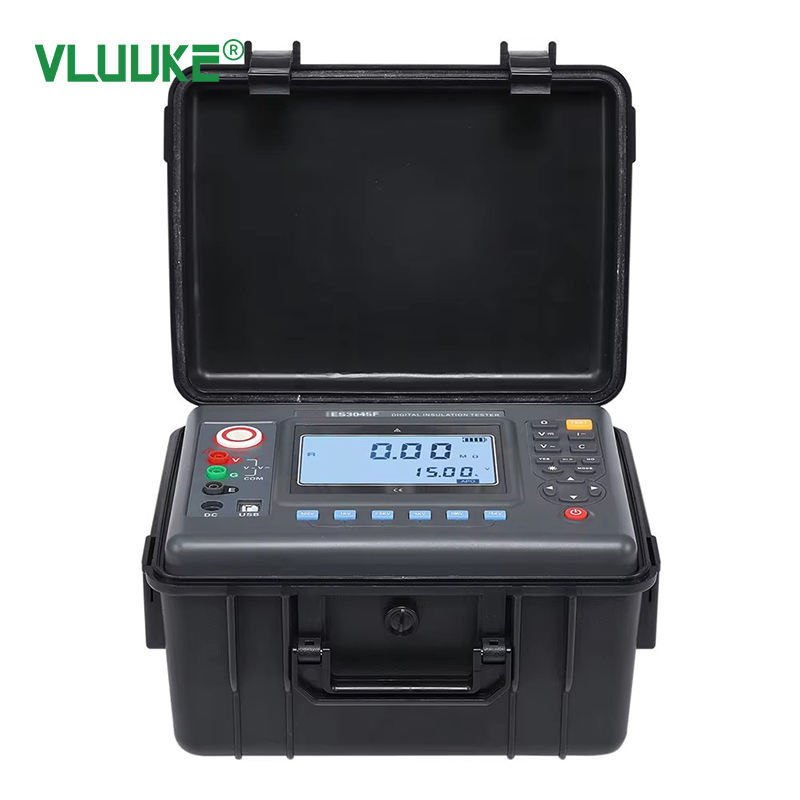
High-value industrial applications
Suitable high-voltage insulation resistance instruments may support condition assessment of large motors, transformers, switchgear and cable insulation when the correct test procedure is used.
Safe use and reporting
Isolate and verify the asset before testing. Stored charge must be discharged safely after the measurement. Record the test voltage, duration, temperature and asset identity for repeatable comparisons.
Get a tester matched to your maintenance program
ProSense Instruments can help compare 5kV, 10kV, 15kV and 20kV ranges. Provide your asset types, governing procedures and desired data-reporting functions.
Key points for Australian buyers
Select test equipment against the applicable asset standard and approved procedure.
Check the instrument rating, accessories and measurement functions for the actual test object.
Plan safe isolation, test setup, discharge and documentation before testing.
Explore relevant electrical test equipment
Request a quotation
For a tailored electrical test equipment quotation, include the asset type, required test range, governing standard, accessories, test environment and preferred delivery timeframe.


Comments