
100A and 200A Loop Resistance Testing for Switchgear and Circuit Breakers
How to select a high-current micro-ohm and loop resistance tester for switchgear contacts, busbars and industrial maintenance.
High-current loop resistance testing helps maintenance teams evaluate low-resistance current paths in switchgear, circuit breakers and busbar connections. Reliable results depend on test setup and a suitable instrument.
A 100A or 200A contact-resistance tester is not an earth fault loop impedance tester. Australian buyers should specify the intended asset, required test current and applicable acceptance criteria.
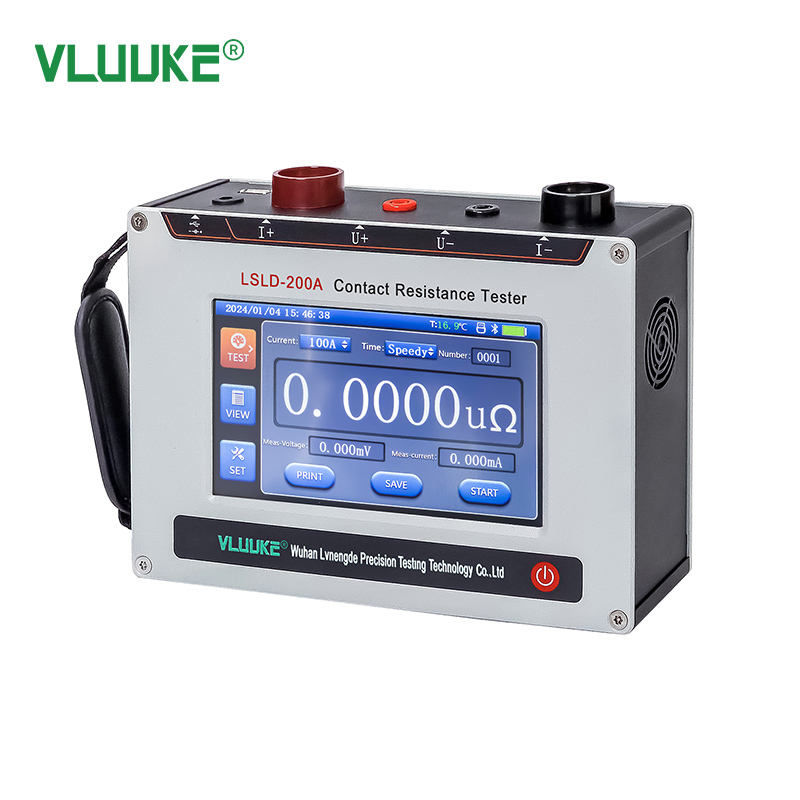
What is high-current loop resistance testing?
In switchgear maintenance, loop or contact resistance testing evaluates low-resistance current paths, such as breaker contacts and connections. This is different from earth fault loop impedance testing on an electrical installation; the instruments and procedures are not interchangeable.
Why test current matters
A high-current micro-ohm test can help characterise a contact path under specified conditions. Select the test current required by the equipment manufacturer's procedure and applicable standard rather than assuming 200A is always better than 100A.
Four-wire measurement principles
Low-resistance measurements commonly use separate current and potential connections to reduce lead-resistance error. Correct clamp placement, clean contact surfaces and repeatable test conditions matter for useful results.
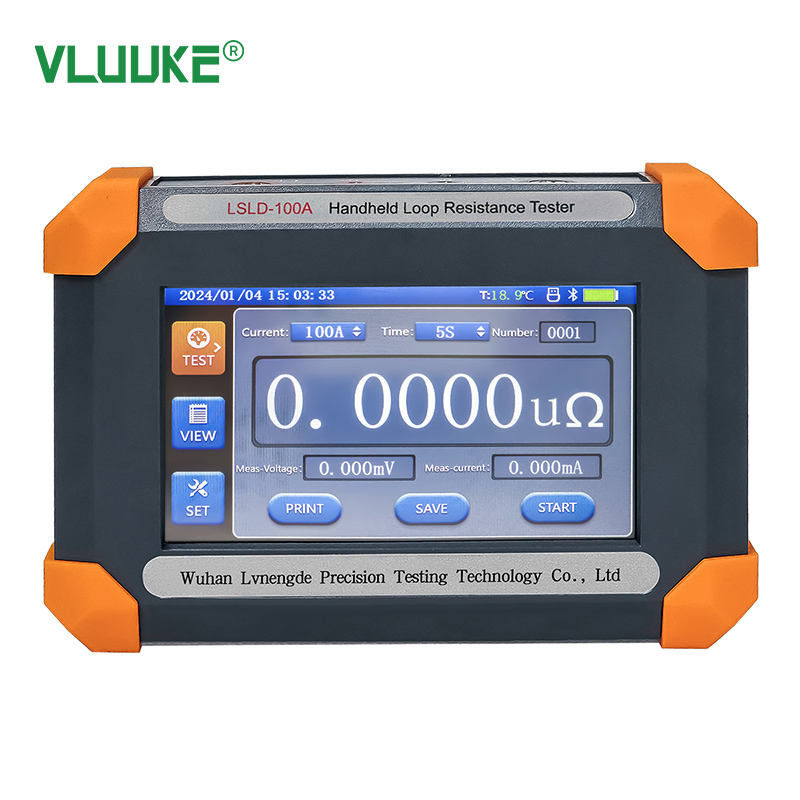
Applications
Potential applications include circuit breaker contacts, switchgear joints, busbar connections and maintenance comparisons. The acceptance limit should come from the asset's test documentation or a documented baseline.
Safety and test preparation
Ensure the equipment is isolated and safe for the specified test. Consider stored energy, adjacent live equipment and the test instrument's current output and lead ratings.
Request a high-current test quote
Share the asset type, required test current, measurement range, reporting needs and portability requirements with ProSense Instruments.
Key points for Australian buyers
Select test equipment against the applicable asset standard and approved procedure.
Check the instrument rating, accessories and measurement functions for the actual test object.
Plan safe isolation, test setup, discharge and documentation before testing.
Explore relevant electrical test equipment
Request a quotation
For a tailored electrical test equipment quotation, include the asset type, required test range, governing standard, accessories, test environment and preferred delivery timeframe.


Comments