Unlocking Machine Health with the 3-Axis Vibration Tester for Precision Maintenance
- Dec 12, 2025
- 3 min read
Maintaining the health of rotating machinery is critical for industrial operations. Unexpected failures can cause costly downtime and safety risks. One of the most effective ways to monitor machine condition is through vibration analysis. The 3-Axis Vibration Tester offers a precise, real-time solution to detect mechanical issues early, helping maintenance teams keep equipment running smoothly.

How the 3-Axis Vibration Tester Works
This device uses a piezoelectric acceleration transducer to measure vibration simultaneously along three axes: X, Y, and Z. This means it captures acceleration data in three dimensions, providing a complete picture of machine movement. The tester measures three key parameters:
Velocity: How fast the machine parts move during vibration
Acceleration: The rate of change of velocity, indicating force impact
Displacement: The distance parts move from their resting position
By combining these measurements, the tester can identify problems such as imbalance, misalignment, or bearing wear before they cause serious damage.
Designed to Meet Industry Standards
The 3-Axis Vibration Tester complies with ISO 2954, the international standard for vibration measurement on rotating machinery. This ensures the data collected is accurate and consistent with global maintenance practices. The device is rugged and portable, making it ideal for on-site use in factories, plants, or field locations.
Key Features That Make a Difference
Single Sensor for Three-Axis Measurement
The integrated sensor captures vibration in all directions without needing multiple devices, simplifying setup and reducing errors.
Triple Parameter Display
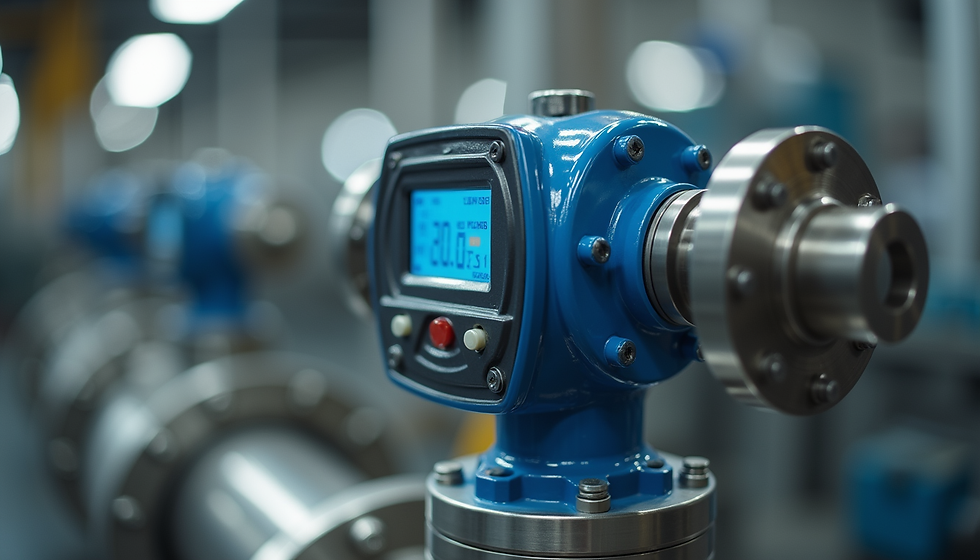
The digital LCD shows velocity, acceleration, and displacement values on one screen, allowing technicians to quickly assess machine condition.
Built-in Bearing Condition Monitoring
This function helps detect early signs of bearing failure, a common cause of machine breakdowns.
AC Output for Earphones or Recording
Technicians can listen to vibration sounds in real time using earphones, acting like an electronic stethoscope to detect unusual noises.
PC Connectivity via RS232C Interface
Data can be exported for detailed analysis or record-keeping, supporting predictive maintenance programs.
Automatic Power Off and Backlit Display
These features extend battery life and ensure clear readings in low-light environments.
Lightweight and Portable Design
Easy to carry and operate, the tester suits field engineers and maintenance teams working in various industrial settings.
Practical Applications in Maintenance
The 3-Axis Vibration Tester is versatile and supports many maintenance tasks:
Preventative and Predictive Maintenance
Regular vibration checks help schedule repairs before failures occur, reducing downtime and repair costs.
Industrial Machine Diagnostics
Identifying specific faults like imbalance or misalignment improves repair accuracy and machine reliability.
Bearing and Shaft Condition Monitoring
Early detection of bearing wear prevents catastrophic failures and extends equipment life.
Fan, Motor, and Pump Analysis
These common rotating machines benefit from vibration monitoring to maintain optimal performance.
Commissioning and Equipment Calibration
Ensuring new or repaired machines meet vibration standards before full operation.
Real-World Example: Avoiding Downtime in a Manufacturing Plant
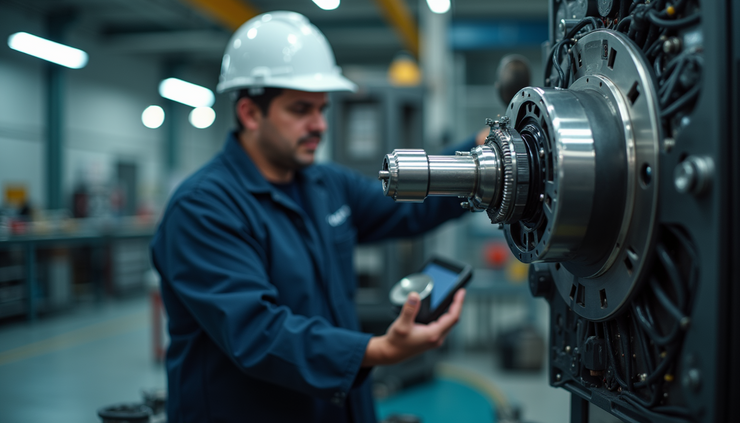
A manufacturing plant experienced frequent motor failures causing production delays. Using the 3-Axis Vibration Tester, the maintenance team detected abnormal vibration patterns indicating misalignment and bearing wear. Early intervention allowed them to realign the motor shaft and replace bearings before a breakdown occurred. This proactive approach saved thousands in repair costs and prevented lost production hours.
Tips for Getting the Most from Your Vibration Tester
Perform Regular Measurements
Schedule vibration checks during routine maintenance to track machine health trends.
Use the Bearing Condition Monitoring Feature
Listen for unusual sounds and monitor bearing vibration levels to catch early signs of failure.
Export Data for Analysis
Use PC connectivity to compare data over time and identify gradual changes.
Train Technicians Properly
Ensure users understand how to interpret velocity, acceleration, and displacement readings for accurate diagnostics.
Keep the Device Calibrated
Regular calibration maintains measurement accuracy and compliance with ISO standards.


Comments