Exploring the Versatile Applications of Inspection Cameras and Endoscopes
- Jan 31
- 3 min read
Inspection cameras and endoscopes have transformed how professionals and hobbyists examine hard-to-reach spaces. These tools provide a clear view inside confined or hidden areas without the need for disassembly or destruction. Their versatility spans many industries, making them essential for troubleshooting, maintenance, and quality control.
How Inspection Cameras and Endoscopes Work
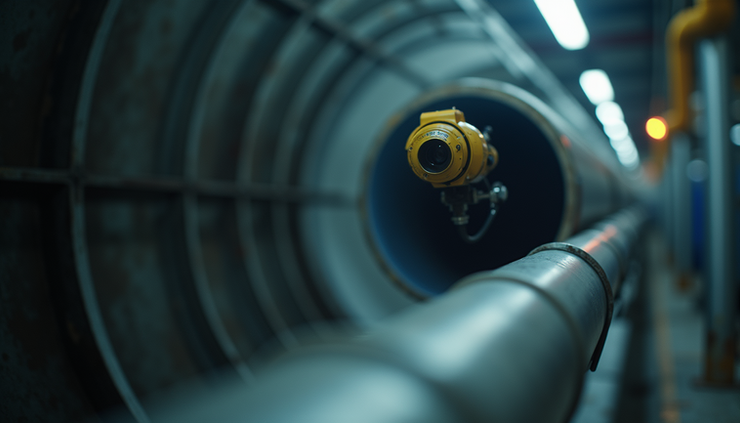
Inspection cameras and endoscopes consist of a small camera attached to a flexible or rigid tube. The camera transmits live video to a screen, allowing users to see inside tight spaces. Many models include LED lights to illuminate dark areas and offer adjustable focus for clear images.
The flexibility of the tube varies by model. Some are rigid for straight access, while others bend to navigate curves. The camera size can be as small as a few millimeters, enabling inspection of very narrow spaces.
Common Uses in Plumbing and HVAC
One of the most frequent uses of inspection cameras is in plumbing. Plumbers use these tools to look inside pipes and drains to locate blockages, leaks, or damage without digging or dismantling walls. This saves time and reduces repair costs.
In HVAC systems, technicians inspect ductwork and internal components to check for clogs, corrosion, or mechanical issues. The camera helps identify problems that affect airflow and system efficiency.
Applications in Automotive Repair
Mechanics rely on inspection cameras to examine engine parts, cylinders, and exhaust systems without removing large components. For example, a borescope can be inserted into an engine cylinder to check for wear or damage to pistons and valves.
This non-invasive inspection speeds up diagnostics and helps avoid unnecessary disassembly, saving labor and reducing vehicle downtime.
Use in Electrical and Electronics Maintenance
Electricians use inspection cameras to inspect wiring inside walls, conduits, and electrical panels. This helps detect damaged wires, loose connections, or overheating components that could cause failures or fire hazards.
In electronics repair, tiny endoscopes assist in examining circuit boards and connectors, especially in compact devices where direct visual access is limited.
Industrial and Manufacturing Inspections
In manufacturing plants, inspection cameras monitor machinery and production lines. They help detect wear, corrosion, or foreign objects inside equipment such as turbines, boilers, and conveyors.
Regular inspections with these cameras improve safety and prevent costly breakdowns by catching issues early. They also support quality control by verifying internal conditions without interrupting production.

Medical and Veterinary Uses
Endoscopes are widely used in medicine for minimally invasive procedures. Doctors use them to examine internal organs, perform biopsies, and guide surgeries with minimal incisions. This reduces patient recovery time and risk of infection.
Veterinarians also use endoscopes to diagnose and treat animals, especially when examining the digestive tract or respiratory system.
Home and DIY Applications
Homeowners and DIY enthusiasts find inspection cameras useful for checking behind walls, inside appliances, or under floors. For example, they can inspect insulation, wiring, or plumbing without causing damage.
These tools also assist in hobby projects like model building or electronics assembly, where detailed internal views are necessary.
Choosing the Right Inspection Camera or Endoscope
Selecting the right tool depends on the intended use. Consider these factors:
Camera size: Smaller cameras fit into tighter spaces.
Tube flexibility: Rigid tubes work for straight access; flexible tubes navigate curves.
Lighting: Built-in LEDs improve visibility in dark areas.
Image quality: Higher resolution cameras provide clearer images.
Display: Some models connect to smartphones or have built-in screens.
Durability: Waterproof and rugged designs suit harsh environments.
Tips for Effective Use
Clean the camera lens regularly to maintain clear images.
Use the right length and flexibility for the inspection area.
Take your time moving the camera slowly to avoid missing details.
Record video or take photos for documentation and further analysis.
Follow safety guidelines, especially when inspecting electrical or mechanical systems.


Comments