
The Rising Significance of Energy Monitoring in Australian Industries and Its Impact on Efficiency
Energy costs make up a significant portion of operational expenses for many Australian industries. With rising energy prices and increasing environmental concerns, businesses are turning to energy monitoring as a key strategy to improve efficiency and reduce costs. This shift is not just about saving money; it also reflects growing regulatory pressures and a commitment to sustainability. This article explores how energy monitoring is transforming Australian industries, highlights examples of sectors benefiting from these technologies, and reviews the tools available to support this change.
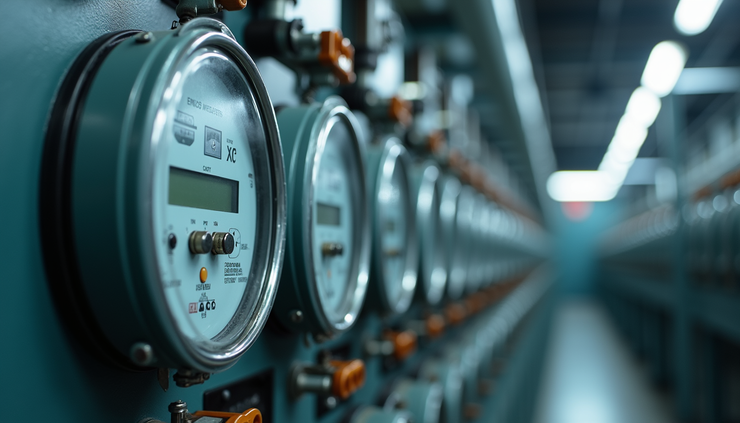
How Energy Monitoring Enhances Efficiency and Cuts Costs
Energy monitoring involves tracking and analyzing energy consumption in real time or over specific periods. This data helps businesses identify waste, inefficiencies, and opportunities for improvement. By understanding exactly where and when energy is used, companies can make informed decisions to reduce unnecessary consumption.
Key benefits include:
Identifying energy waste: Monitoring reveals equipment or processes that consume excessive energy, such as machines running idle or inefficient lighting.
Optimizing operations: Data allows scheduling high-energy tasks during off-peak hours to reduce demand charges.
Preventing equipment failure: Early detection of abnormal energy use can signal maintenance needs before costly breakdowns occur.
Supporting energy-saving investments: Clear data justifies upgrades like LED lighting, variable speed drives, or solar power installations.
For example, a manufacturing plant that installed energy monitoring systems reduced its electricity use by 15% within the first year by adjusting machine schedules and upgrading inefficient motors.
Industries Benefiting from Energy Monitoring Technologies
Several Australian industries have embraced energy monitoring with measurable results:
Manufacturing
Manufacturers often operate energy-intensive machinery. Energy monitoring helps identify peak usage times and inefficient equipment. For instance, a food processing facility in Victoria used monitoring data to adjust refrigeration cycles, saving thousands of dollars annually.
Mining
Mining operations consume large amounts of power for extraction and processing. Energy monitoring enables mines to track consumption across sites and optimize equipment use. One Queensland mine reported a 10% energy cost reduction after implementing real-time monitoring and automated controls.
Agriculture
Agricultural businesses use energy for irrigation, heating, and cooling. Monitoring systems help farmers manage energy use based on weather and crop needs. A South Australian vineyard used energy data to optimize water pumps, reducing energy bills by 12%.
Commercial Buildings
Office buildings and retail spaces benefit from monitoring to control lighting, HVAC, and other systems. A Sydney commercial building cut energy costs by 20% after installing smart meters and automated controls.
Environmental Impact and Regulatory Pressures
Australia faces increasing pressure to reduce greenhouse gas emissions and improve energy efficiency. The industrial sector accounts for a significant share of national energy use and emissions. Energy monitoring supports environmental goals by:
Reducing carbon footprint: Lower energy consumption means fewer emissions from fossil fuel-based power.
Meeting government targets: Programs like the National Energy Productivity Plan encourage businesses to improve energy use.
Complying with regulations: Some industries must report energy use and emissions under schemes such as the Emissions Reduction Fund.
These pressures motivate companies to adopt energy monitoring not only for cost savings but also to demonstrate environmental responsibility.
Tools and Solutions Available in the Market
The market offers a range of energy monitoring solutions tailored to different industries and needs:
Smart meters: Provide detailed consumption data at the circuit or equipment level.
Energy management software: Analyzes data, generates reports, and offers recommendations.
IoT sensors: Wireless devices that monitor energy use and environmental conditions.
Automated controls: Systems that adjust equipment operation based on energy data.
Cloud platforms: Enable remote monitoring and integration with other business systems.
Australian companies can choose from local providers and international brands offering scalable solutions. For example, some platforms integrate with renewable energy sources and battery storage to maximize savings.
Practical Steps for Businesses to Start Energy Monitoring
Businesses interested in energy monitoring can take these steps:
Conduct an energy audit: Identify major energy users and potential savings.
Select appropriate monitoring tools: Choose meters and software that fit operational needs.
Install and configure systems: Ensure accurate data collection and user-friendly interfaces.
Train staff: Educate employees on interpreting data and implementing changes.
Review and act on data: Regularly analyze reports and adjust operations accordingly.
Starting small with key equipment or areas can demonstrate value before expanding monitoring across the entire facility.


Comments