
Exploring the Multifunctional Capabilities of a 7-in-1 Digital Anemometer for HVAC and Environmental Monitoring
- May 21
- 4 min read
Accurate measurement of airflow and environmental conditions plays a critical role in many industries, especially in HVAC testing, ventilation analysis, and environmental monitoring. A versatile tool that combines multiple measurement functions into one device can save time, reduce equipment costs, and improve data reliability. The 7-in-1 digital anemometer stands out as a multifunctional instrument designed to meet these needs effectively. This post explores its key features, practical applications, and important compliance considerations to help professionals make informed decisions.
Multifunction Capabilities of the 7-in-1 Digital Anemometer
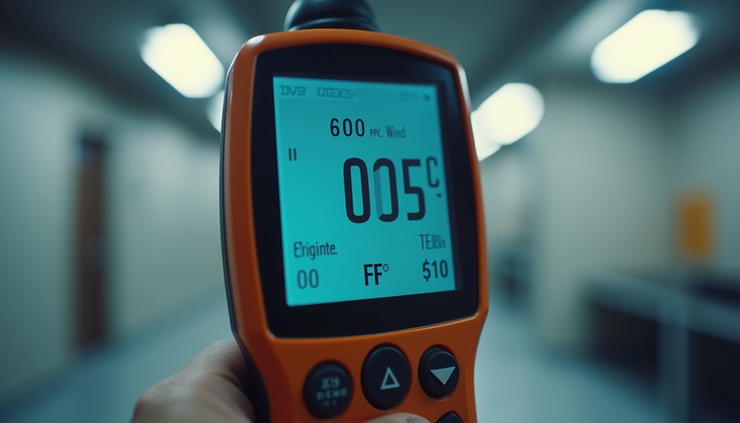
The 7-in-1 digital anemometer is engineered to measure multiple environmental parameters with precision. Its multifunction design integrates seven essential measurement functions into a single handheld device:
Wind Speed: Measures airflow velocity in various units such as meters per second (m/s), kilometers per hour (km/h), feet per minute (ft/min), and miles per hour (mph). This feature is crucial for assessing ventilation efficiency and air distribution.
Temperature: Records ambient temperature, often with a built-in sensor and an external probe option for surface or duct temperature measurement.
Humidity: Measures relative humidity, providing insight into moisture levels that affect air quality and comfort.
Airflow Volume: Calculates volumetric airflow (cubic feet per minute or cubic meters per hour) when combined with duct dimensions.
Pressure: Some models include barometric or differential pressure measurement to evaluate system performance.
Data Logging: Stores up to 8,000 records, allowing users to track changes over time and export data for analysis.
Additional Functions: Depending on the model, it may include features like dew point calculation, wet bulb temperature, or altitude measurement.
This combination of functions makes the device a comprehensive solution for professionals who require reliable data from multiple environmental factors.
Handheld and Portable Design for Field Use
One of the standout features of the 7-in-1 digital anemometer is its compact, lightweight, and ergonomic design. The handheld form factor allows technicians and engineers to carry the device easily during site visits or inspections. Key design elements include:
Clear LCD Display: Large, backlit screens provide easy reading in low-light conditions.
Durable Housing: Often made from impact-resistant materials to withstand rough handling.
Rechargeable Battery: Long battery life supports extended use without frequent recharging.
User-Friendly Interface: Intuitive buttons and menu navigation reduce the learning curve and speed up measurements.
This portability ensures that users can perform quick spot checks or detailed assessments in confined spaces, rooftops, or outdoor environments without bulky equipment.
Applications in HVAC Testing and Ventilation Analysis
The 7-in-1 digital anemometer is particularly valuable in heating, ventilation, and air conditioning (HVAC) testing. Accurate airflow and temperature measurements help maintain system efficiency, occupant comfort, and indoor air quality. Common applications include:
Duct Leakage Testing: Measuring airflow rates to detect leaks or blockages in ductwork.
Air Balancing: Ensuring even distribution of conditioned air throughout a building.
Filter Performance: Monitoring pressure drops across filters to determine replacement needs.
Fan and Ventilation System Checks: Verifying that fans and exhaust systems operate within design specifications.
Energy Audits: Collecting data to identify inefficiencies and recommend improvements.
By providing multiple measurements in one device, the anemometer reduces the need to switch between instruments, saving time and improving workflow accuracy.
Environmental Monitoring and Outdoor Use
Beyond HVAC, the 7-in-1 digital anemometer supports environmental monitoring tasks. It helps researchers, safety inspectors, and facility managers track conditions that affect health, safety, and compliance:
Air Quality Assessment: Measuring wind speed and humidity to understand pollutant dispersion.
Weather Monitoring: Recording temperature and pressure changes for local climate studies.
Industrial Safety: Monitoring airflow in confined spaces or hazardous areas to ensure safe working conditions.
Agricultural Applications: Tracking microclimate conditions that influence crop growth and pest control.
Its rugged design and data logging capacity make it suitable for long-term monitoring projects and field research.
Data Logging and Analysis
The ability to log up to 8,000 records is a significant advantage for professionals who need to document environmental conditions over time. Features related to data management include:
Timestamped Records: Each measurement is saved with a date and time for accurate tracking.
Data Export: Many models support USB or Bluetooth connectivity to transfer data to computers or mobile devices.
Graphical Display: Some devices offer trend graphs directly on the screen for quick analysis.
Customizable Sampling Intervals: Users can set how frequently measurements are recorded, from seconds to minutes.
This functionality supports detailed reporting, compliance documentation, and troubleshooting by providing a clear history of environmental conditions.
Compliance and User Responsibilities
When using a 7-in-1 digital anemometer, users must ensure the device meets relevant safety and accuracy standards. Important considerations include:
Calibration: Regular calibration against certified standards is necessary to maintain measurement accuracy.
Suitability: Confirm that the device’s measurement ranges and units match the specific requirements of the application.
Safety Standards: Follow manufacturer guidelines for safe operation, especially when measuring in hazardous or electrically sensitive environments.
Data Integrity: Ensure proper handling and storage of logged data to maintain reliability and confidentiality.
Regulatory Compliance: Use the device in accordance with local regulations related to environmental monitoring, workplace safety, and HVAC system testing.
Users bear responsibility for verifying that the instrument is appropriate for their intended use and for maintaining it in good working condition.
Practical Tips for Using the 7-in-1 Digital Anemometer
To get the most out of this multifunctional tool, consider these practical tips:
Prepare the Device: Charge batteries fully and calibrate before starting measurements.
Select Correct Units: Set measurement units that align with project specifications.
Use External Probes: For temperature or humidity, external probes can improve accuracy in ducts or hard-to-reach areas.
Record Environmental Conditions: Note ambient conditions that might affect readings, such as nearby heat sources or drafts.
Regular Maintenance: Clean sensors and check for damage to ensure consistent performance.
Review Data Frequently: Analyze logged data regularly to identify trends or anomalies early.
Following these steps helps ensure reliable data collection and supports effective decision-making.


Comments