
Choosing the Right Anemometer for Accurate Wind Speed Measurement
- Feb 18
- 4 min read
Measuring wind speed accurately is essential for many activities, from sailing and weather monitoring to construction and HVAC system testing. Choosing the right anemometer can make a significant difference in the quality of your data and the ease of use. This guide explores the key factors to consider when selecting an anemometer, highlights different types available within a practical price range, and offers tips to ensure you get the most reliable wind speed measurements.
Understanding Anemometers and Their Uses
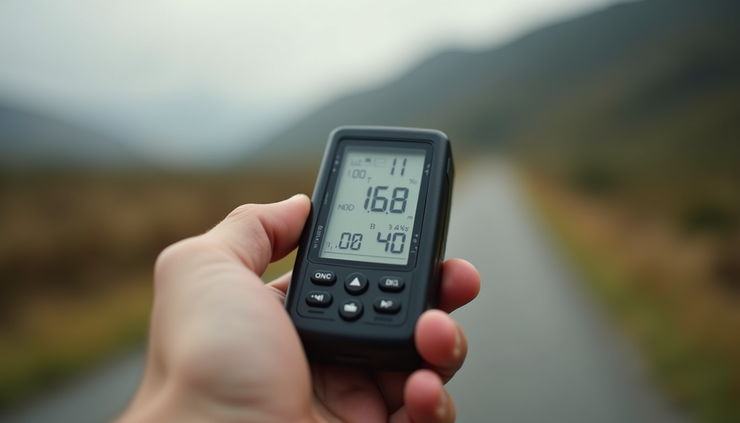
An anemometer is a device designed to measure wind speed. Some models also measure additional parameters like temperature, humidity, and airflow. These tools are used in various fields:
Outdoor sports such as sailing, kite flying, and paragliding
Weather stations for accurate local wind data
HVAC system testing to check airflow and ventilation
Construction and engineering to assess wind conditions on sites
Agriculture to monitor weather conditions affecting crops
Knowing your primary use will help narrow down the type of anemometer you need.
Types of Anemometers Within a Practical Price Range
When shopping for an anemometer priced between AU$70 and AU$320, you will find several options with varying features and accuracy levels.
Basic Handheld Digital Anemometers (Around AU$70–AU$80)
These models are compact, easy to use, and provide reliable wind speed readings. Examples include:
Handheld Digital Anemometer for Accurate Wind Speed Measurement (AU$70.92)
Digital Anemometer – Handheld Wind Speed Meter (AU$72.23)
Mini Handheld Digital Anemometer for Wind Speed & Temperature (From AU$80.11)
These devices are ideal for casual users who need quick and straightforward wind speed data. They often feature digital displays and can measure temperature alongside wind speed.
Mid-Range Digital Air Velocity Meters (Around AU$115–AU$135)
These anemometers offer higher precision and additional functions such as airflow measurement and wind chill display. Examples include:
Digital Air Velocity Meter High Precision Anemometer (AU$115.00)
Portable Digital Vane Anemometer with Temperature & Wind Chill Display (AU$135.00)
These models suit professionals who require more detailed environmental data and better accuracy.
Advanced Multi-Function Anemometers (AU$188–AU$320)
For users needing comprehensive data, multi-function anemometers provide wind speed, airflow, temperature, humidity, and even wind direction. Examples include:
Multifunction Digital Anemometer Datalogger – Wind Speed, Temp & Humidity Meter (AU$188.00)
Multi-function Thermo Anemometer with °C & °F (AU$198.00)
Multi-Function Digital Anemometer with Speed, Flow, Direction & Temperature (AU$320.00)
These devices are suitable for scientific research, detailed weather monitoring, and industrial applications.
Key Features to Consider When Choosing an Anemometer
Selecting the right anemometer involves more than just price. Consider these features to ensure you get accurate and useful measurements.
Measurement Accuracy and Range
Check the wind speed range the device can measure. Most handheld models cover from 0.3 to 30 m/s (meters per second).
Look for accuracy specifications. Higher-end models often provide ±1% accuracy or better.
Consider if you need temperature, humidity, or wind chill measurements alongside wind speed.
Portability and Ease of Use
Handheld anemometers should be lightweight and easy to operate with one hand.
Look for clear digital displays that are easy to read in different lighting conditions.
Some models include backlit screens for night use.
Data Logging and Connectivity
Advanced models may offer data logging to record wind speed over time.
Some devices connect to smartphones or computers via Bluetooth or USB for data transfer and analysis.
Consider if you need these features for your application.
Durability and Build Quality
If you plan to use the anemometer outdoors frequently, choose a model with a rugged design.
Water resistance or waterproofing can be important for use in wet conditions.
Check the quality of the sensor and moving parts to ensure long-term reliability.
Practical Examples of Anemometer Use
Sailing and Outdoor Sports
A handheld digital anemometer priced around AU$70 to AU$80 is perfect for sailors who need quick wind speed checks before setting sail. The Digital Anemometer – Handheld Wind Speed Meter offers high accuracy and portability, making it easy to carry on board.
HVAC System Testing
For HVAC professionals, a mid-range Digital Air Velocity Meter priced at about AU$115 provides precise airflow measurements, helping to optimize ventilation systems.
Weather Monitoring and Research
Researchers and weather enthusiasts benefit from multi-function anemometers like the Multi-Function Digital Anemometer with Speed, Flow, Direction & Temperature priced at AU$320. This device offers comprehensive environmental data, including wind direction and humidity, essential for detailed analysis.

Tips for Getting Accurate Wind Speed Measurements
Calibrate your anemometer regularly according to the manufacturer’s instructions.
Hold the device steady and face it directly into the wind for the best reading.
Avoid obstructions like buildings or trees that can affect wind flow.
Take multiple readings over time to get an average wind speed rather than relying on a single measurement.
Use the temperature and humidity features if available to understand the environmental context better.
Final Thoughts on Choosing an Anemometer
Choosing the right anemometer depends on your specific needs, budget, and the level of detail required. Basic handheld models offer good accuracy for casual use, while mid-range and advanced devices provide additional features for professionals and researchers. Focus on accuracy, ease of use, and durability to ensure your wind speed measurements are reliable and useful.
Explore the options within your price range and consider the features that matter most for your application. Accurate wind speed measurement is achievable with the right tool, helping you make informed decisions whether you are sailing, monitoring weather, or testing airflow.


Comments