“Choosing Between Multi-use and Single-use Data Loggers for Cost Efficiency”
- Mar 30
- 3 min read
Data loggers play a crucial role in tracking and recording environmental conditions across many industries. Choosing the right type of data logger can significantly impact operational costs and efficiency. This post compares multi-use and single-use data loggers, focusing on which option saves more money over time. We will also explore how these devices support industries like pharmaceuticals, cold chain logistics, and warehousing, and what features to consider when selecting a data logger for harsh environments.

Understanding Multi-use and Single-use Data Loggers
Multi-use data loggers are designed for repeated use. They typically have rechargeable batteries, durable casings, and can be reset and redeployed multiple times. These devices often come with advanced features such as wireless connectivity and real-time monitoring.
Single-use data loggers, on the other hand, are intended for one-time use. They are usually more affordable upfront and simpler in design. After completing a monitoring cycle, they are discarded or recycled. These loggers are popular in industries where contamination risks or regulatory requirements limit reuse.
Cost Factors to Consider
When evaluating cost efficiency, it’s important to look beyond the initial purchase price. Consider these factors:
Upfront cost: Single-use loggers generally cost less per unit.
Reuse potential: Multi-use loggers spread their cost over many deployments.
Maintenance and calibration: Multi-use devices require regular upkeep.
Data management: Some multi-use loggers offer automated data transfer, reducing labor costs.
Disposal and environmental impact: Single-use loggers generate waste, potentially adding disposal costs.
Industries That Benefit from Each Type
Pharmaceutical Shipping
Single-use data loggers are widely used in pharmaceutical shipping. They provide reliable temperature monitoring during transit without the risk of cross-contamination. Their low cost and compliance with strict regulations make them ideal for this sector.
Cold Chain Logistics
Cold chain logistics demands precise temperature control from warehouse to delivery. Multi-use data loggers enable continuous monitoring across multiple shipments, reducing the need to purchase new devices for every load. Their connectivity features allow real-time alerts, helping prevent spoilage.
Warehousing and Manufacturing
In warehouses and manufacturing plants, multi-use data loggers offer long-term monitoring solutions. They can track temperature, humidity, and other conditions over extended periods, supporting quality control and regulatory compliance.
How Data Loggers Ensure Compliance
Regulatory bodies require detailed records of environmental conditions, especially for sensitive goods. Data loggers automate this process, reducing human error and providing tamper-proof records. Paperless recorders, often integrated with multi-use loggers, replace manual logs and improve accuracy.
Reducing Human Error with Paperless Recording
Manual logs are prone to mistakes and omissions. Paperless recording systems connected to data loggers capture data automatically and store it securely. This shift improves data integrity and saves time spent on paperwork.
Key Features to Compare
When choosing between multi-use and single-use data loggers, focus on these features:
Battery life: Multi-use loggers need long-lasting or rechargeable batteries.
Accuracy: Both types should meet industry standards for measurement precision.
Connectivity: Wireless options enable remote monitoring and faster data access.
Durability: Devices must withstand harsh environments, especially in logistics.
Ease of use: Simple setup and data retrieval reduce training and operational costs.
Choosing a Data Logger for Harsh Environments
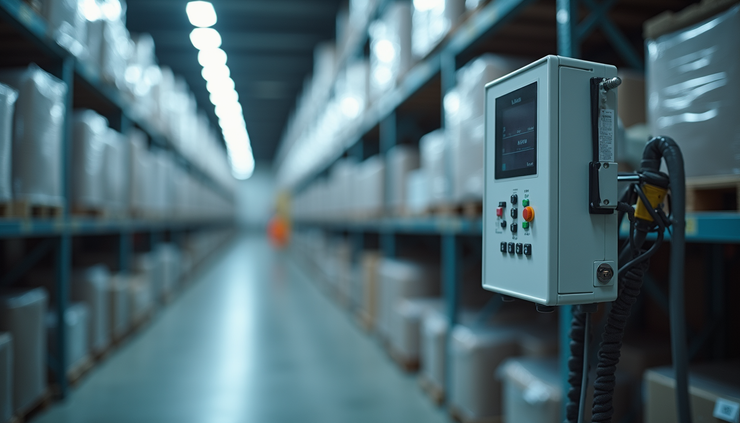
Harsh environments demand rugged data loggers with protective casings and reliable sensors. For example, warehouses with fluctuating temperatures or high humidity require devices that resist corrosion and moisture. Multi-use loggers often come with customizable settings to adapt to specific conditions.
The Role of IoT and Smart Paperless Recorders
The rise of IoT technology is transforming data logging. Smart paperless recorders connected to the internet allow continuous, remote monitoring and instant alerts. This capability reduces losses and improves decision-making. Multi-use loggers equipped with IoT features offer long-term value despite higher upfront costs.
End-to-End Monitoring with Multi-use Data Loggers
Multi-use data loggers support tracking from warehouse storage through delivery. Their ability to be redeployed across shipments maximizes their utility. For example, a logistics company can use the same devices to monitor temperature during storage, loading, transport, and final delivery, ensuring product safety throughout the supply chain.
Final Thoughts on Cost Efficiency
Choosing between multi-use and single-use data loggers depends on your specific needs. Single-use loggers offer low initial costs and simplicity, making them suitable for one-time shipments or industries with strict contamination rules. Multi-use loggers require higher investment but provide savings over time through reuse, advanced features, and reduced labor.
Evaluate your operational volume, regulatory requirements, and environmental conditions to decide which option fits best. Investing in the right data logger can improve compliance, reduce waste, and ultimately save money.
Consider starting with a pilot program to test both types in your environment. Track total costs, ease of use, and data quality before scaling up. This approach ensures you make an informed decision that supports your business goals.


Comments