
The Essential Role of Diesel Flow Meters in Fuel Theft Prevention for 2026
Fuel theft remains a costly challenge for many industries relying on diesel-powered equipment and vehicles. As fuel prices continue to rise and security threats evolve, companies need reliable tools to protect their assets. Diesel flow meters have become a critical technology in 2026, offering precise monitoring and control of fuel usage. This post explores why diesel flow meters are essential for preventing fuel theft, how they work, and practical steps to implement them effectively.
Why Fuel Theft Is a Growing Concern
Fuel theft costs businesses millions every year. Theft can happen in many ways: siphoning fuel from tanks, unauthorized refueling, or even internal fraud. The consequences go beyond financial loss. Fuel theft can disrupt operations, increase maintenance costs, and create safety risks.
Several factors contribute to the rise in fuel theft:
Increasing diesel prices make fuel more valuable to thieves.
Remote job sites often lack constant supervision.
Traditional fuel monitoring methods are prone to errors or manipulation.
Growing fleet sizes make manual tracking difficult.
These challenges demand a solution that provides accurate, real-time data on fuel consumption and flow.
How Diesel Flow Meters Work
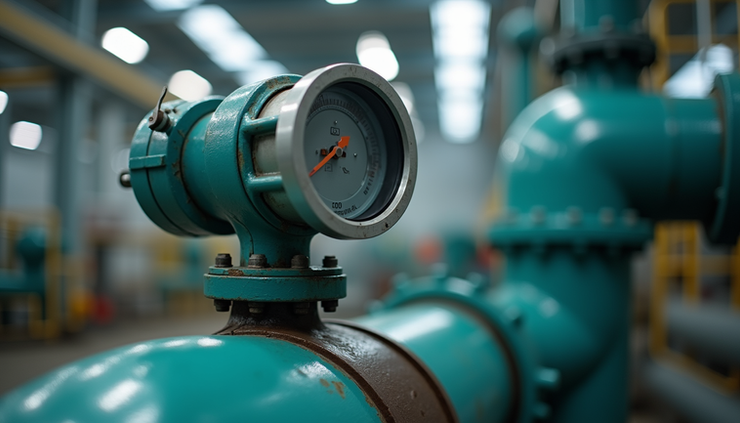
Diesel flow meters measure the volume of diesel fuel passing through a pipe or hose. They use various technologies such as turbine, ultrasonic, or positive displacement mechanisms to detect flow rate and total fuel used.
Key features include:
Real-time monitoring: Instant data on fuel flow helps detect irregularities.
High accuracy: Precise measurement reduces discrepancies in fuel records.
Data logging: Stores historical fuel usage for audits and analysis.
Integration: Connects with fleet management or fuel control systems.
By tracking exactly how much fuel moves through the system, diesel flow meters make it harder for thieves to steal fuel unnoticed.
Benefits of Using Diesel Flow Meters for Theft Prevention
Implementing diesel flow meters offers several advantages:
Early detection of theft: Sudden drops or spikes in fuel flow trigger alerts.
Reduced fuel loss: Accurate measurement discourages unauthorized use.
Improved accountability: Detailed records show who used fuel and when.
Cost savings: Lower fuel theft means less money lost and fewer operational disruptions.
Better maintenance planning: Monitoring fuel flow helps identify leaks or equipment issues.
For example, a construction company using diesel flow meters reported a 30% reduction in fuel loss within six months. The system alerted managers to unusual fuel consumption during off-hours, allowing quick investigation and prevention.
Choosing the Right Diesel Flow Meter
Selecting the appropriate flow meter depends on factors such as:
Fuel system type: Stationary tanks, mobile refueling units, or vehicle-mounted systems.
Flow rate range: Ensure the meter can handle expected fuel volumes.
Installation environment: Consider temperature, vibration, and exposure to elements.
Data requirements: Decide if you need simple flow readings or full integration with software.
Budget: Balance cost with features and durability.
Consulting with suppliers and reviewing case studies can help identify the best fit for your needs.
Best Practices for Implementing Diesel Flow Meters
To maximize the effectiveness of diesel flow meters in theft prevention, follow these steps:
Install meters at critical points: Fuel tanks, pumps, and refueling stations.
Train staff: Ensure operators understand how to use and monitor the system.
Set up alerts: Configure notifications for unusual fuel flow patterns.
Regularly audit data: Review logs to spot trends or discrepancies.
Combine with other security measures: Use CCTV, access controls, and fuel caps for layered protection.
A comprehensive approach strengthens security and builds trust in fuel management.

Real-World Examples of Diesel Flow Meter Impact
Several industries have successfully reduced fuel theft using diesel flow meters:
Transportation fleets: Trucking companies monitor fuel use per vehicle, identifying unauthorized refueling or leaks.
Construction sites: Managers track fuel dispensed to machinery, preventing siphoning during off-hours.
Agriculture: Farmers monitor fuel for tractors and irrigation pumps, reducing losses during busy seasons.
Mining operations: Remote sites use flow meters combined with GPS to ensure fuel is used only for authorized equipment.
These examples show how diesel flow meters provide transparency and control, protecting valuable fuel resources.
Looking Ahead: The Future of Fuel Theft Prevention
As technology advances, diesel flow meters will become even more powerful tools. Integration with IoT devices, AI-driven analytics, and mobile apps will offer deeper insights and faster responses to theft attempts. Companies that adopt these technologies early will gain a competitive edge by reducing waste and improving operational efficiency.
Fuel theft prevention is not just about stopping losses; it’s about building a culture of responsibility and smart resource management.


Comments