
Multi-use versus Single-use Data Loggers: Finding the Best Long-Term Investment
Data loggers play a crucial role in tracking environmental conditions such as temperature, humidity, and pressure across various industries. Choosing between multi-use and single-use data loggers can significantly impact your operational costs and efficiency. This post explores which option offers better value over time by comparing their features, costs, and practical applications.

Understanding Data Loggers and Their Uses
Data loggers are electronic devices that record data over time or in relation to location. They are widely used in sectors like pharmaceuticals, food transportation, environmental monitoring, and manufacturing. The choice between multi-use and single-use data loggers depends on the specific needs of the operation, including frequency of use, data accuracy, and budget constraints.
Single-use Data Loggers
Single-use data loggers are designed for one-time use. They come pre-programmed and are typically disposable after completing a monitoring cycle. These devices are popular for shipping perishable goods or monitoring short-term events.
Advantages:
No need for maintenance or calibration
Lower upfront cost per unit
Simple to deploy and dispose of after use
Disadvantages:
Higher cost over multiple uses
Environmental waste concerns
Limited data storage and features
Multi-use Data Loggers
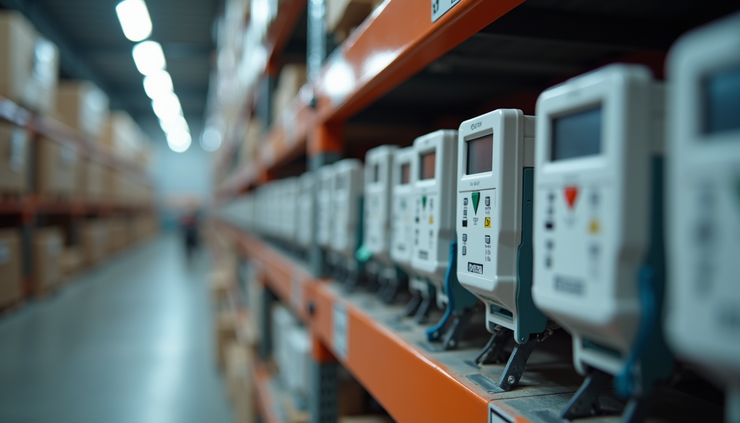
Multi-use data loggers are reusable devices that can be reset and redeployed multiple times. They often offer advanced features such as wireless data transfer, larger memory, and customizable settings.
Advantages:
Cost-effective over long-term use
Environmentally friendly due to reusability
Enhanced features and data accuracy
Disadvantages:
Higher initial investment
Requires maintenance and calibration
Potential downtime between uses
Cost Comparison Over Time
The initial price difference between single-use and multi-use data loggers can be significant. Single-use devices may cost between $10 to $50 each, while multi-use loggers can range from $200 to $1000 depending on features.
To illustrate, consider a company that requires data logging for 100 shipments annually:
Using single-use loggers at $20 each totals $2,000 per year.
Investing in 10 multi-use loggers at $500 each costs $5,000 upfront.
Assuming each multi-use logger can be used 20 times per year, the annual cost per logger is $25.
Total annual cost for multi-use loggers is $250, plus maintenance and calibration expenses.
Over a 5-year period, multi-use loggers offer substantial savings compared to single-use devices, especially when factoring in reduced waste and improved data quality.
Practical Examples of Use Cases
Pharmaceutical Cold Chain Monitoring
Pharmaceutical companies often require precise temperature monitoring during transport. Multi-use data loggers provide reliable, continuous data and can be recalibrated to meet strict regulatory standards. Their reusability reduces waste and lowers long-term costs.
Food Delivery and Perishable Goods
For short-term shipments, single-use data loggers offer convenience and eliminate the need for device retrieval. However, companies with frequent shipments may find multi-use loggers more economical and environmentally responsible.
Environmental Impact Considerations
Single-use data loggers contribute to electronic waste, which poses disposal challenges. Multi-use devices reduce waste by extending the product lifecycle. Organizations committed to sustainability often prefer multi-use options to align with environmental goals.
Maintenance and Calibration Needs
Multi-use data loggers require regular calibration to maintain accuracy. This process involves additional costs and time but ensures compliance with industry standards. Single-use loggers come pre-calibrated and do not require maintenance, offering ease of use at the expense of long-term cost efficiency.
Making the Right Choice for Your Business
When deciding between multi-use and single-use data loggers, consider:
Frequency of data logging needs
Budget constraints and cost over time
Environmental policies and waste management
Required data accuracy and regulatory compliance
Operational convenience and logistics
Businesses with frequent monitoring needs and long-term projects benefit from multi-use data loggers. Those with occasional or one-time requirements may find single-use devices more practical.


Comments