
Exploring the Advantages of Submersible Hydrostatic Liquid Level Sensors in Diverse Applications
Measuring liquid levels accurately and continuously is critical in many industries, from water management to agriculture and environmental monitoring. Submersible hydrostatic liquid level sensors offer a reliable solution for these needs. These sensors provide precise, real-time data by converting hydrostatic pressure into measurable signals, enabling efficient control and monitoring of liquid levels in tanks, reservoirs, and natural water bodies.
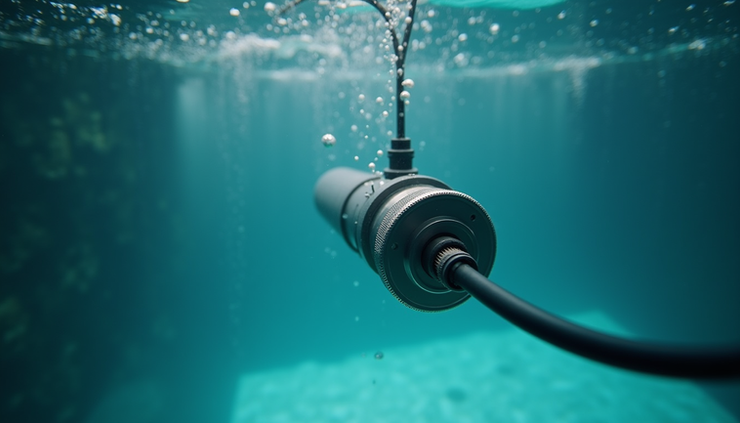
Continuous Level Measurement in Water and Compatible Liquids
Submersible hydrostatic liquid level sensors excel at providing continuous level measurement in various liquids, especially water. Unlike point-level sensors that only detect when a liquid reaches a certain height, these sensors measure the entire liquid column pressure. This allows for real-time monitoring of changing levels with high accuracy.
They work well in:
Freshwater and seawater
Wastewater and sewage
Chemicals compatible with sensor materials
Agricultural liquids like irrigation water
This continuous data helps operators maintain optimal levels, prevent overflow or dry running, and manage resources efficiently.
High-Stability Diffusion Silicon Sensing Element
At the heart of these sensors lies a diffusion silicon sensing element. This component converts the hydrostatic pressure exerted by the liquid column into an electrical signal. The diffusion silicon element is known for its high stability and sensitivity, which ensures precise level readings even in fluctuating conditions.
Key benefits of this sensing element include:
Low drift over time, reducing the need for frequent recalibration
High accuracy in detecting small pressure changes
Resistance to temperature variations, maintaining consistent performance
This technology enables the sensor to deliver reliable data critical for process control and safety.
Durable Stainless Steel Housing and Protective Diaphragm
Durability is essential for sensors operating underwater or in harsh environments. The stainless steel housing protects the internal components from mechanical damage, corrosion, and chemical exposure. Stainless steel is chosen for its strength and resistance to rust, making it suitable for long-term deployment.
The protective diaphragm covers the sensing element and allows pressure transmission while preventing contamination from solids or liquids. This diaphragm ensures:
Accurate pressure transfer without interference
Protection against fouling and clogging
Extended sensor lifespan by shielding sensitive parts
Together, the housing and diaphragm maintain sensor integrity and performance in demanding conditions.
Waterproof Cable with Atmospheric Pressure Compensation
The sensor connects to monitoring systems via a waterproof cable designed to withstand submersion and environmental exposure. This cable includes an atmospheric pressure compensation feature, which is crucial for maintaining measurement stability.
Atmospheric pressure changes can affect hydrostatic pressure readings. The compensation mechanism balances these variations, ensuring the sensor measures only the liquid pressure. This results in:
Stable and accurate level readings regardless of weather changes
Reduced measurement errors caused by external pressure fluctuations
Reliable data for automated control systems
This design makes the sensor suitable for outdoor and submerged applications.
Compatibility with 4–20mA Analog Output and RS485 Digital Communication
Integration flexibility is a major advantage of submersible hydrostatic liquid level sensors. They support standard 4–20mA analog output, widely used in industrial control systems for transmitting sensor data over long distances with minimal signal loss.
Additionally, many sensors offer RS485 digital communication, enabling:
Two-way data exchange for configuration and diagnostics
Connection to modern SCADA and PLC systems
Enhanced data accuracy and error checking
This compatibility allows easy integration into existing infrastructure, simplifying installation and maintenance.
IP68 Rating for Permanent Submersion and Diverse Environments
The IP68 rating certifies that these sensors can operate continuously underwater without damage. This makes them ideal for permanent installation in:
Water tanks and reservoirs
Rivers and lakes
Sewage treatment plants
Agricultural irrigation systems
The rating guarantees protection against dust and long-term water immersion, ensuring consistent performance in various environments.
Reliability in Harsh Conditions and Cost-Effectiveness
Submersible hydrostatic liquid level sensors are built to withstand harsh conditions such as:
Extreme temperatures
Corrosive liquids
Mechanical shocks and vibrations
Their robust design reduces downtime and maintenance costs. Moreover, their accuracy and durability translate into cost savings by preventing overflows, equipment damage, and inefficient resource use.
These sensors serve municipal water supply systems, industrial process control, agricultural irrigation management, and environmental monitoring projects effectively. Their long service life and low maintenance needs make them a cost-effective choice for continuous liquid level measurement.


Comments