
Essential Tools Every Car Owner Should Keep for Roadside Emergencies and Maintenance
- Dec 23, 2025
- 3 min read
Car troubles can strike unexpectedly, leaving drivers stranded or forced to wait for professional help. Having a well-stocked set of essential tools can make a significant difference in handling common issues quickly and safely. Whether it’s a flat tire, a dead battery, or a minor mechanical problem, the right tools empower car owners to perform basic repairs and maintenance on the spot. This post highlights the key tools every car owner should keep handy, explains their uses, and offers tips on maintaining these tools for reliability.

Why Every Car Owner Needs Essential Tools
Roadside emergencies can happen anywhere, from busy highways to remote areas. Waiting for roadside assistance may take time, and sometimes help is not immediately available. Having essential tools allows drivers to:
Fix flat tires quickly and safely
Jump-start a dead battery without calling for help
Diagnose simple electrical issues
Perform minor repairs to keep the vehicle running until professional service is possible
Ensure safety with emergency supplies
These tools provide peace of mind and reduce stress during unexpected situations.
Key Tools to Keep in Your Car
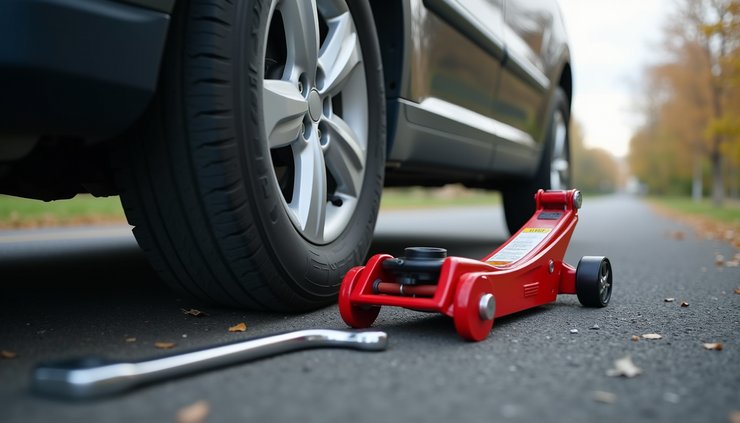
Jack and Lug Wrench
A jack is necessary to lift the car off the ground when changing a flat tire. The lug wrench helps loosen and tighten the lug nuts on the wheels. Many cars come with a basic jack and wrench, but investing in a sturdy, easy-to-use set can save time and effort.
Always check the jack’s weight rating matches your vehicle.
Practice using the jack in your driveway to become familiar with the process.
Jumper Cables
Dead batteries are a common roadside issue. Jumper cables allow you to connect your battery to another vehicle’s battery to start your engine.
Choose cables with thick, insulated clamps for safety.
Store cables in a waterproof bag to prevent corrosion.
Tire Pressure Gauge
Maintaining proper tire pressure improves fuel efficiency and safety. A tire pressure gauge lets you check tire pressure anytime.
Digital gauges offer quick, accurate readings.
Check tire pressure monthly and before long trips.
Socket Set and Screwdrivers
A socket set with various sizes and a set of screwdrivers (both flathead and Phillips) are essential for minor repairs and adjustments.
Use sockets to tighten or loosen bolts on parts like battery terminals or engine components.
Screwdrivers help with small fixes like replacing fuses or removing panels.
Pliers
Pliers come in handy for gripping, twisting, or cutting wires and cables. Needle-nose pliers are especially useful for tight spaces.
Keep a pair of adjustable pliers for versatility.
Use insulated handles for electrical work.
Multimeter
A multimeter measures electrical voltage, current, and resistance. It helps diagnose battery health, fuses, and wiring issues.
Basic digital multimeters are affordable and easy to use.
Learn simple tests to check battery voltage and continuity.
Flashlight
A reliable flashlight is crucial for nighttime emergencies or working in dark spaces under the hood.
Choose LED flashlights for bright, long-lasting light.
Keep extra batteries or a rechargeable model.
Emergency Kit
An emergency kit should include:
Reflective warning triangles or flares
First aid supplies
Gloves and a rain poncho
Basic tools like a utility knife and duct tape
Non-perishable snacks and water
This kit supports safety and comfort while waiting for help or performing repairs.
Maintaining Your Tools for Reliability
Having tools is not enough if they are damaged or unusable when needed. Regular maintenance ensures your tools work properly:
Inspect tools for rust, wear, or damage every few months.
Clean and lubricate moving parts like the jack and pliers.
Replace worn-out jumper cables or batteries in flashlights.
Store tools in a dry, organized container to prevent loss and damage.
Practical Tips for Using Your Tools
Learn how to safely use each tool before an emergency occurs.
Keep a vehicle manual handy for specific instructions related to your car model.
Practice changing a tire or jump-starting your car in a safe environment.
Use gloves and eye protection when working on your vehicle.
Always park on a flat, stable surface and use hazard lights when performing roadside repairs.


Comments