
Essential Guide to Using a Xenon Flash Stroboscope Tachometer for Precision Motion Analysis
Accurately measuring the speed of fast-moving or vibrating objects can be challenging without interrupting operations or attaching physical markers. The Xenon Flash Stroboscope Tachometer offers a practical solution by providing non-contact, real-time analysis of rotational speed and motion. This tool is invaluable for diagnosing equipment, inspecting surfaces, and tracking motion patterns in various industrial and research settings.

How the Xenon Flash Stroboscope Tachometer Works
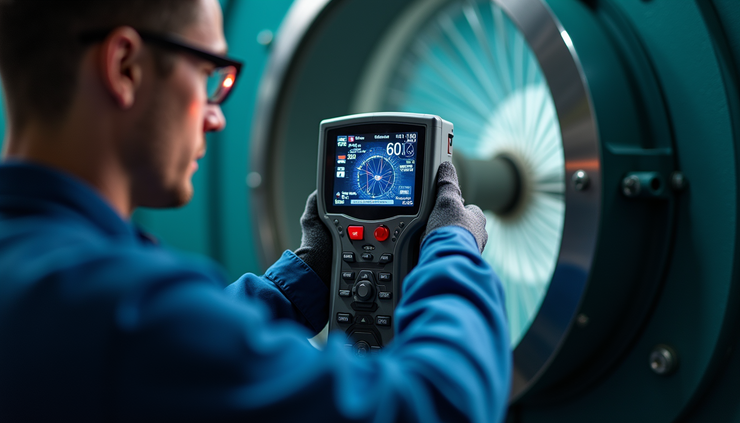
This device uses a powerful xenon lamp to emit rapid flashes of light that synchronize with the rotation or vibration of an object. By adjusting the flash frequency between 50 and 12,000 flashes per minute (FPM), the stroboscope creates an optical illusion where the moving object appears stationary or in slow motion. This freeze-frame effect allows users to observe details that are otherwise invisible to the naked eye during high-speed motion.
The tachometer function measures the flash frequency precisely, which corresponds directly to the object's rotational speed. This eliminates the need for reflective tape or stopping the machine, making it ideal for continuous monitoring and diagnostics.
Key Features and Practical Benefits
Non-Contact Motion Analysis
Inspect rotating or vibrating machinery without halting production or attaching reflectors. This reduces downtime and avoids potential damage to equipment.
Powerful Xenon Flash Lamp
The bright illumination ensures clear visibility even in well-lit environments or at a distance, supporting accurate inspections.
Freeze Frame Effect
View single, double, or multiple still images of fast-moving objects. This helps identify defects, imbalances, or irregular motion patterns quickly.
Wide Measuring Range
Adjustable flash frequency from 50 to 12,000 FPM allows for precise measurement across various speeds and applications.
External Triggering and Synchronization
The device can be triggered externally or used to control other instruments, enabling synchronized operation for complex diagnostics.
Flash Timer Function
Intelligent flash timing conserves the xenon tube, extending the device’s lifespan and reducing maintenance costs.
Easy-to-Read LCD Display
The clear screen provides instant, accurate readouts, eliminating guesswork during measurements.
Applications Across Industries
Manufacturing and Maintenance
In manufacturing plants, machines often run at high speeds, making it difficult to detect issues like imbalance or wear without stopping production. Using a Xenon Flash Stroboscope Tachometer, technicians can inspect rotating parts such as motors, fans, and conveyor belts while they operate. For example, a technician might adjust the flash frequency to match a motor’s rotation, making the blades appear still. This allows for detailed inspection of blade edges for cracks or wear without dismantling the equipment.
Automotive Diagnostics
Automotive engineers use stroboscopes to analyze engine components, drive shafts, and other rotating parts. By synchronizing the flash frequency with engine speed, they can observe valve timing or detect irregular vibrations. This non-invasive method speeds up troubleshooting and helps maintain engine performance.
Research and Development
In research labs, precise motion analysis is critical. The stroboscope’s ability to freeze fast-moving objects enables scientists to study mechanical behavior, vibration modes, or surface defects. For example, researchers testing a new turbine design can use the device to observe blade motion at different speeds, identifying stress points or aerodynamic issues.
Tips for Effective Use
Set the Flash Frequency Carefully
Start at a low flash rate and gradually increase until the moving object appears stationary. Fine-tuning the frequency helps capture clear images for analysis.
Use External Triggering When Needed
For synchronized measurements with other instruments, connect the stroboscope to external triggers. This is useful in complex setups requiring coordinated data collection.
Protect the Flash Tube
Enable the flash timer function to reduce unnecessary flashing, which extends the life of the xenon lamp and lowers replacement costs.
Position the Device Properly
Place the stroboscope at an angle that provides the best view of the moving part. Avoid reflections or obstructions that could interfere with visibility.
Record Observations
Use a camera or video recorder in conjunction with the stroboscope to document findings for further analysis or reporting.
Choosing the Right Stroboscope for Your Needs
When selecting a Xenon Flash Stroboscope Tachometer, consider the following:
Measuring Range
Ensure the device covers the speed range of your equipment. A range up to 12,000 FPM suits most industrial applications.
Display and Controls
Look for a clear LCD screen and intuitive controls for quick adjustments during inspections.
Durability and Portability
A rugged design and lightweight build make the device easier to use in different environments.
Additional Features
External triggering, flash timer, and synchronization options add flexibility for advanced diagnostics.
Final Thoughts
The Xenon Flash Stroboscope Tachometer is a powerful tool for anyone needing precise, non-contact measurement of fast-moving or vibrating objects. Its ability to create a freeze-frame effect and deliver real-time data on a clear display makes it invaluable for maintenance, manufacturing, automotive, and research applications. By using this device, you can improve inspection accuracy, reduce downtime, and gain deeper insights into machine performance.


Comments