Enhancing Sterilisation Processes with Wireless Temperature and Pressure Data Loggers
- May 2
- 4 min read
Sterilization is a critical step in pharmaceutical, medical, and laboratory environments. Ensuring that sterilization cycles meet strict standards requires precise monitoring of temperature and pressure conditions. Wireless temperature and pressure data loggers have become essential tools in this process, offering accurate data capture and flexible operation. This post explores how these devices improve validation and monitoring, their key features, and the benefits they bring to sterilization workflows.
The Role of Data Loggers in Sterilization Validation and Monitoring
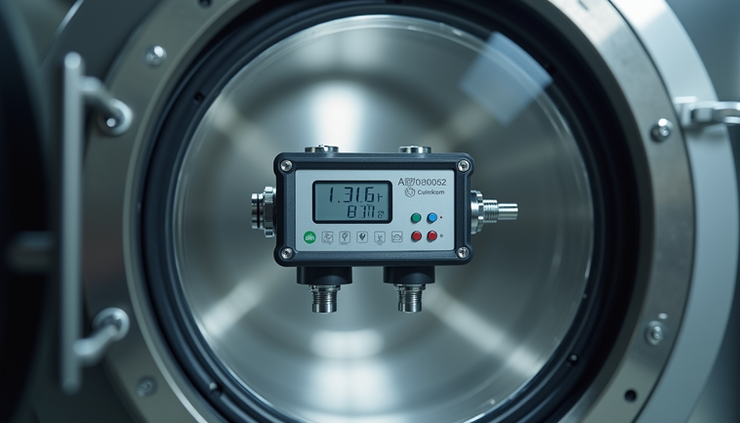
Sterilization processes must be validated to confirm that they consistently achieve the required microbial kill levels. This validation depends on accurate, reliable data about the conditions inside sterilizers such as autoclaves, sterilizers, and freeze dryers. Wireless temperature and pressure data loggers provide this data by continuously recording environmental parameters throughout the sterilization cycle.
In pharmaceutical manufacturing, medical device production, and laboratory research, regulatory agencies require detailed documentation of sterilization cycles. Data loggers help meet these requirements by:
Capturing precise temperature and pressure readings at critical points
Providing time-stamped data for traceability
Supporting compliance with standards such as ISO 13485 and FDA guidelines
Enabling real-time or post-cycle analysis to detect deviations or failures
By integrating these devices into sterilization workflows, facilities can improve process control and reduce the risk of contamination or product recalls.
Precise Measurement Capabilities for Sterilization Equipment
Sterilizers operate under tightly controlled conditions, often involving high temperatures and pressures. Wireless data loggers designed for these environments offer:
High accuracy sensors that measure temperature and pressure with fine resolution
Rapid response times to detect changes during heating, holding, and cooling phases
Compatibility with various sterilization methods, including steam, ethylene oxide, and vacuum cycles
Small form factors that fit inside autoclave chambers or freeze dryers without interfering with the load
For example, in an autoclave cycle, the data logger records temperature and pressure at multiple points inside the chamber. This detailed profile helps verify that all areas reach sterilization conditions and maintain them for the required duration.
High-Resolution Data Capture for Detailed Cycle Analysis
The ability to capture data at high resolution is crucial for understanding the nuances of sterilization cycles. Wireless data loggers typically record measurements at intervals ranging from seconds to minutes, depending on the settings. This granularity allows users to:
Identify temperature or pressure fluctuations that could affect sterilization efficacy
Analyze the heating and cooling rates to optimize cycle times
Detect equipment malfunctions or inconsistencies early
Generate comprehensive reports for audits and quality control
High-resolution data supports continuous improvement efforts by providing insights into process performance and helping validate new sterilization protocols.
Advantages of Wireless Operation and Flexible Placement
Wireless data loggers eliminate the need for cables, which can be cumbersome and limit placement options inside sterilizers. This wireless operation offers several benefits:
Flexible placement anywhere inside the sterilization chamber, including hard-to-reach areas
Reduced risk of cable damage or contamination
Simplified setup and removal, speeding up validation cycles
Ability to monitor multiple devices simultaneously without physical connections
These advantages make wireless loggers ideal for complex sterilization loads or when validating new equipment layouts.
Onboard Memory and Multi-Device Communication via USB
Wireless data loggers come equipped with onboard memory that stores recorded data securely during sterilization cycles. This feature ensures:
Data integrity even if wireless transmission is interrupted
Storage of large datasets for extended cycles or multiple runs
Easy transfer of data to computers or analysis systems after the cycle
Communication with multiple devices is often facilitated through USB interfaces. This allows users to:
Connect several loggers to a single computer for batch data download
Manage device settings and firmware updates efficiently
Consolidate data from multiple sterilizers for centralized analysis
Onboard memory combined with USB communication enhances workflow efficiency and data management.
Dedicated Software for Data Acquisition, Calibration, and Reporting
Wireless temperature and pressure data loggers are supported by specialized software designed to simplify data handling. Key software features include:
Real-time data acquisition and visualization during sterilization cycles
Calibration tools to maintain sensor accuracy and comply with regulatory standards
Automated validation reporting that compiles data into clear, audit-ready documents
Customizable alarms and notifications based on preset thresholds
Data export options compatible with common formats for further analysis
This software integration helps users maintain control over sterilization processes and ensures documentation meets quality and regulatory demands.
Durable Stainless Steel Construction for High-Temperature Environments
Sterilization environments expose equipment to extreme conditions, including high heat, moisture, and pressure. Wireless data loggers designed for these settings feature:
Stainless steel housings that resist corrosion and withstand repeated sterilization cycles
Sealed enclosures that protect internal electronics from steam and chemicals
Robust build quality to ensure long-term reliability and accuracy
This durability reduces maintenance needs and extends the service life of the data loggers, making them a cost-effective investment.
Wireless temperature and pressure data loggers provide essential support for validating and monitoring sterilization processes in pharmaceutical, medical, and laboratory settings. Their precise measurement capabilities, high-resolution data capture, and flexible wireless operation improve process control and compliance. Onboard memory, USB communication, and dedicated software streamline data management and reporting. Durable stainless steel construction ensures these devices perform reliably in demanding environments.


Comments