
The Role of Pumps and Finished Sensors in Enhancing Modern Agriculture Systems
- 2 days ago
- 3 min read
Modern agriculture faces many challenges, including the need to increase productivity while conserving resources and reducing environmental impact. Two key technologies that support these goals are pumps and finished sensors. These devices help farmers manage water, nutrients, and crop health more efficiently, leading to better yields and sustainable practices.
How Pumps Improve Water Management in Agriculture
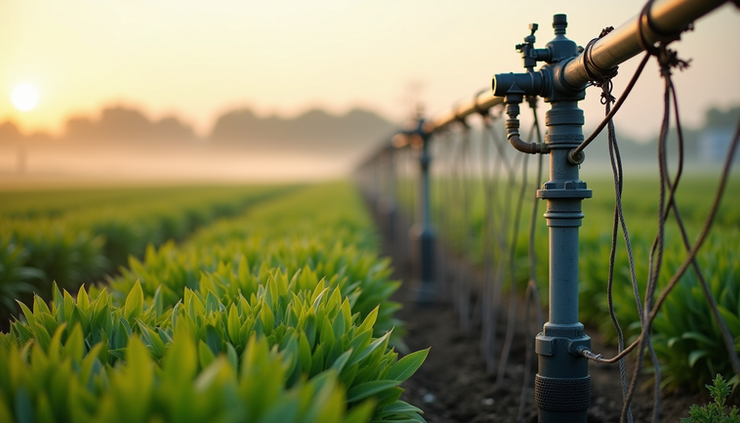
Water is essential for crop growth, but its availability is often limited or unevenly distributed. Pumps play a crucial role in moving water from sources like wells, rivers, or reservoirs to fields. They enable precise irrigation, which helps avoid water waste and ensures crops receive the right amount of moisture.
Types of Pumps Used in Agriculture
Centrifugal pumps: Common for moving large volumes of water at moderate pressure. They are widely used for surface irrigation systems.
Submersible pumps: Installed underwater in wells or reservoirs, these pumps push water to the surface efficiently.
Diaphragm pumps: Useful for handling fertilizers or chemicals mixed with irrigation water, providing controlled dosing.
Each pump type suits different irrigation methods such as drip, sprinkler, or flood irrigation. Selecting the right pump depends on factors like water source, field size, and crop type.
Benefits of Using Pumps in Agriculture
Efficient water delivery: Pumps allow farmers to irrigate only when and where needed, reducing water loss.
Energy savings: Modern pumps with variable speed drives adjust flow rates to match demand, lowering electricity use.
Improved crop health: Consistent water supply prevents stress on plants, promoting better growth and higher yields.
Flexibility: Pumps can support multiple irrigation zones and adapt to changing field conditions.
The Role of Finished Sensors in Precision Agriculture
Finished sensors refer to ready-to-use sensor devices that measure environmental and soil conditions. These sensors provide real-time data that farmers use to make informed decisions about irrigation, fertilization, and pest control.
Common Types of Sensors in Agriculture
Soil moisture sensors: Measure water content in soil to guide irrigation scheduling.
Nutrient sensors: Detect levels of key nutrients like nitrogen, phosphorus, and potassium.
Temperature and humidity sensors: Monitor microclimate conditions affecting crop growth.
Light sensors: Track sunlight intensity to optimize planting and shading.
How Sensors Support Smart Farming
By integrating sensors with irrigation pumps and control systems, farmers can automate water delivery based on actual field needs. For example, soil moisture sensors trigger pumps to start irrigation only when moisture drops below a set threshold. This approach prevents overwatering and conserves water resources.
Sensors also help detect early signs of nutrient deficiencies or pest infestations, allowing timely interventions that reduce crop losses. Data collected over time enables trend analysis and better planning for future planting seasons.
Practical Examples of Pumps and Sensors in Action
Case Study: Drip Irrigation with Soil Moisture Sensors
A vegetable farm in California installed soil moisture sensors connected to a pump-driven drip irrigation system. The sensors measured moisture at different root depths and sent data to a central controller. When moisture levels fell below optimal, the controller activated pumps to deliver water precisely to affected zones.
This system reduced water use by 30% compared to traditional timed irrigation and increased crop yield by 15%. The farmer also reported less disease incidence due to avoiding waterlogging.
Example: Nutrient Monitoring in Greenhouses
In a commercial greenhouse, nutrient sensors monitor the concentration of fertilizers in hydroponic solutions. Pumps adjust the flow of nutrient-rich water to plants based on sensor readings, maintaining ideal nutrient levels.
This setup improved plant growth rates and reduced fertilizer waste, lowering operational costs and environmental impact.
Challenges and Considerations When Using Pumps and Sensors
While pumps and sensors offer many benefits, farmers should consider the following:
Initial investment: High-quality pumps and sensors can be costly, but long-term savings often justify the expense.
Maintenance: Regular cleaning and calibration of sensors ensure accurate data. Pumps require routine checks to prevent breakdowns.
Data management: Handling sensor data requires software tools and some technical knowledge.
Power supply: Remote fields may need solar panels or generators to run pumps and sensors reliably.
Choosing equipment suited to specific crops, climate, and farm size is essential for success.
Future Trends in Agricultural Pumps and Sensors
Advances in technology continue to improve pumps and sensors for agriculture:
Wireless sensor networks enable broader coverage and easier installation.
AI and machine learning analyze sensor data to predict irrigation needs and detect crop stress early.
Energy-efficient pumps powered by renewable sources reduce carbon footprint.
Integration with drones and satellite imagery provides comprehensive farm monitoring.
These developments will help farmers manage resources more precisely and sustainably.


Comments