
Exploring Turbine Flow Meters for Liquid Measurement: Precision, Versatility, and Reliability
Accurate liquid measurement plays a crucial role in many industries, from fuel dispensing to laboratory research. Turbine flow meters stand out as reliable tools that deliver precise readings across a variety of liquids. This post explores the features and benefits of turbine flow meters designed for liquid measurement, highlighting their precision, versatility, and ease of use.https://www.prosenseinstruments.com.au/product-page/high-precision-turbine-flow-meter-water-diesel-gasoline-methanol-kerosene-liquid
How Turbine Flow Meters Work
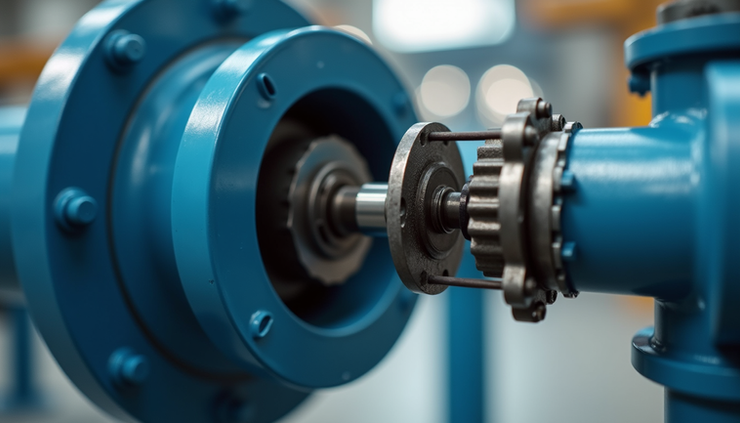
Turbine flow meters measure liquid flow by detecting the velocity of the fluid passing through a rotor. The rotor spins proportionally to the flow rate, and sensors count the rotations to calculate the volume of liquid moving through the meter. This mechanical design provides highly accurate flow measurements, especially within specific flow ranges.
Precise Measurement for Various Liquids
One of the key strengths of turbine flow meters is their ability to measure different liquids with high precision. They are commonly used for:
Water: Ideal for monitoring water flow in industrial processes and laboratory experiments.
Diesel: Accurate measurement supports fuel management and dispensing.
Gasoline: Ensures precise fuel delivery in automotive and industrial applications.
Methanol: Suitable for chemical processing where exact flow rates are critical.
Kerosene: Used in aviation and heating fuel systems for reliable measurement.
The turbine flow meter’s design accommodates these liquids by handling their varying viscosities and flow characteristics without sacrificing accuracy.
High-Precision Rotor Mechanism and Flow Range
At the heart of the turbine flow meter is a finely engineered rotor mechanism. This rotor spins smoothly and consistently, enabling precise flow detection. The meter typically covers a flow rate range from 0.1 liters per minute (L/min) to 10 L/min, making it perfect for applications requiring detailed measurement of small to moderate liquid volumes.
This flow range suits many small-scale industrial processes, laboratory testing, and fuel dispensing tasks where accuracy at low flow rates is essential.
Applications in Industry and Laboratories
Turbine flow meters fit well in various settings due to their accuracy and compact size:
Small-scale industrial processes: Monitoring chemical feed rates, coolant flow, or lubrication systems.
Laboratory environments: Measuring precise volumes of liquids for experiments and quality control.
Fuel dispensing: Managing fuel delivery in service stations or portable fuel systems with exact volume tracking.
Their ability to deliver consistent readings helps improve process control, reduce waste, and ensure compliance with measurement standards.
Installation and Integration
Installing a turbine flow meter is straightforward thanks to its standard 1-inch joint pipe coupling. This common size allows easy integration into existing piping systems without requiring custom fittings.
The meter’s lightweight design simplifies handling during installation and reduces strain on pipe supports. Users can mount the meter horizontally or vertically, depending on the system layout, without affecting performance.
Durable Construction for Long-Term Use
Durability is a critical factor for flow meters exposed to various liquids and operating conditions. Turbine flow meters feature robust construction materials resistant to corrosion and wear. This ensures long-term performance even when measuring aggressive or abrasive fluids.
The sturdy build minimizes maintenance needs and downtime, providing reliable service over extended periods.
Safety and Certification
Safety is paramount when handling fuels and chemicals. Turbine flow meters come with CE certification, confirming they meet European safety and quality standards. This certification assures users that the meter is designed and tested to operate safely under specified conditions.
Additional safety features may include sealed housings to prevent leaks and electrical components designed to avoid sparks in hazardous environments.
Summary
Turbine flow meters offer precise, reliable measurement of various liquids including water, diesel, gasoline, methanol, and kerosene. Their high-precision rotor mechanism covers a flow range from 0.1 to 10 L/min, making them ideal for small-scale industrial, laboratory, and fuel dispensing applications. Easy installation with a standard 1-inch pipe coupling and durable, lightweight construction add to their appeal.
With CE certification and built-in safety features, these meters provide trustworthy performance for accurate fluid measurement. For anyone needing dependable flow measurement in compact systems, turbine flow meters deliver a practical and effective solution.


Comments